Short answer
Human Coen is the grounded sword-and-witchcraft form; vampire Coen is the mobile, blood-dependent predator. Neither is a universal best form. The better choice depends on the quest route, current time cost, social context, traversal problem, and how you want Coen to act.
Key facts
- Human: swordmastery and ritual witchcraft
- Vampire: claws, feeding, Shadowstep, and vertical movement
- Different recovery rules
- Different quest approaches and world access
- The campaign expects adaptation across both forms
Combat: technique versus predation
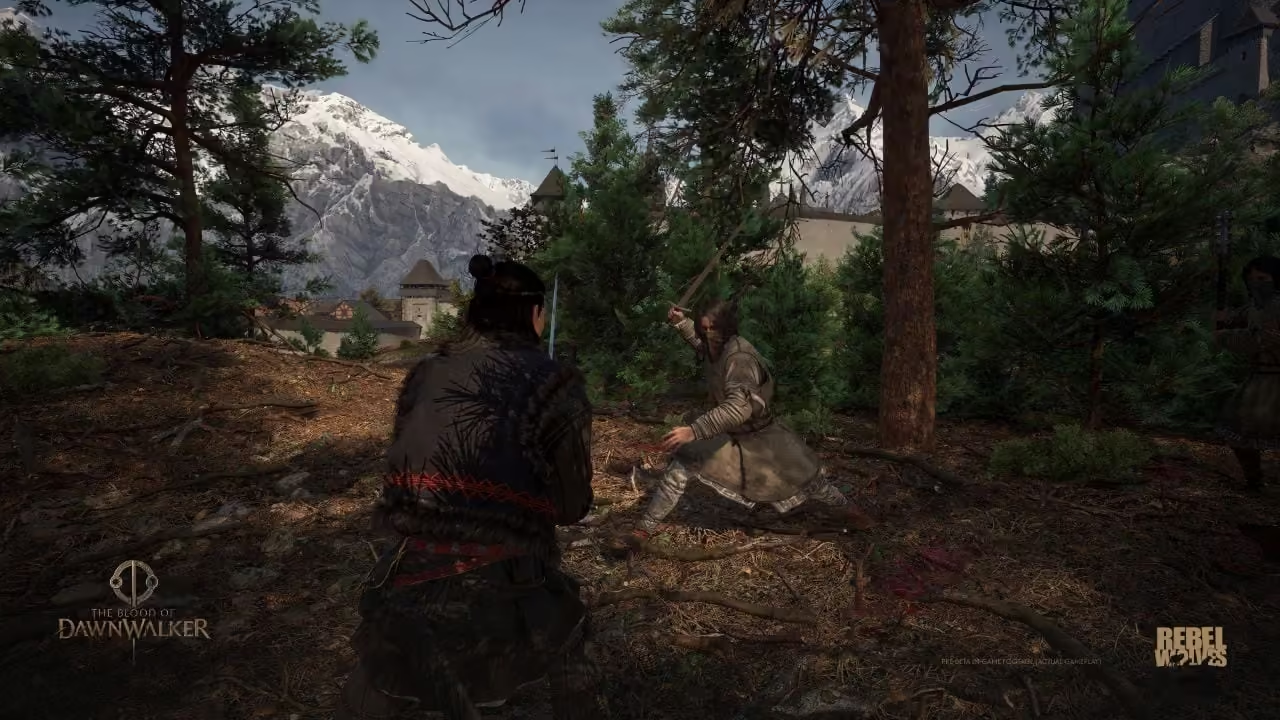
Human combat centers on sword timing, direction, positioning, and active abilities. Coen can use sword types with different speeds and learn techniques from books, while witchcraft gives him control and damage options that consume the resources taught by the game.
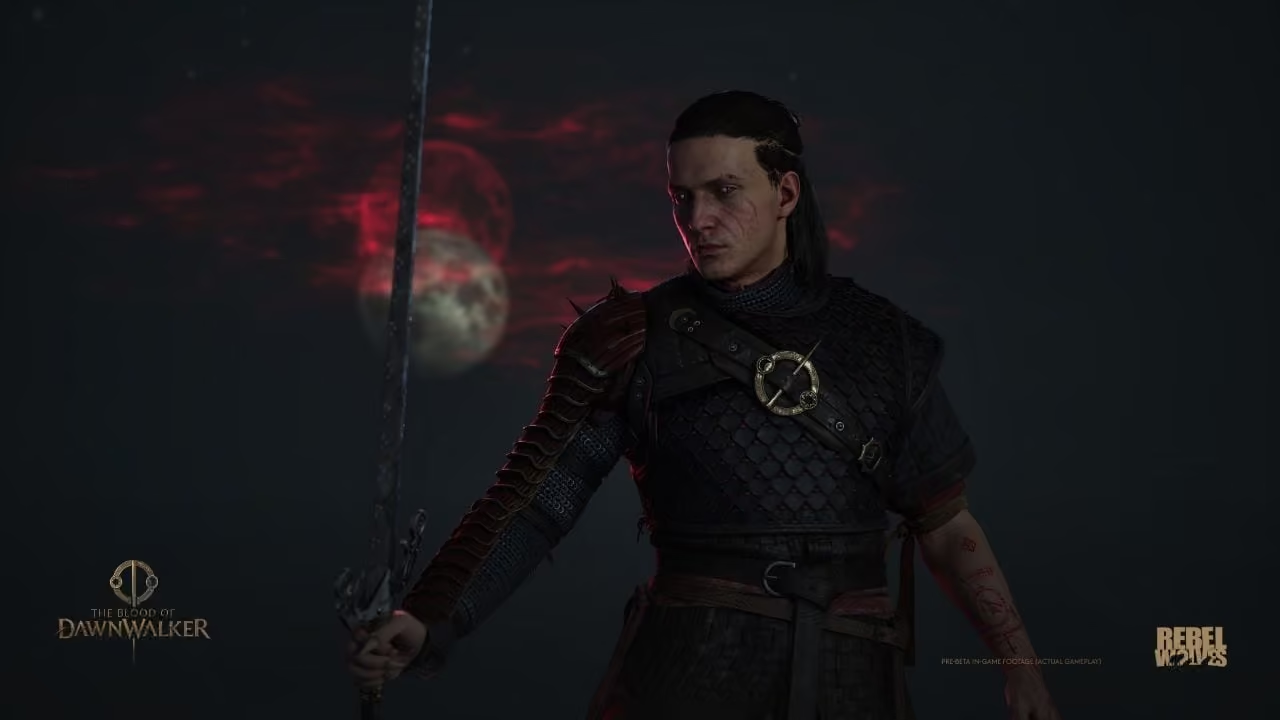
Vampire combat can use claws, Shadowstep repositioning, feeding, and a separate power set. Coen may still carry a sword, but night changes how he closes distance, sustains himself, and approaches guarded spaces.
Movement: roads versus impossible geometry
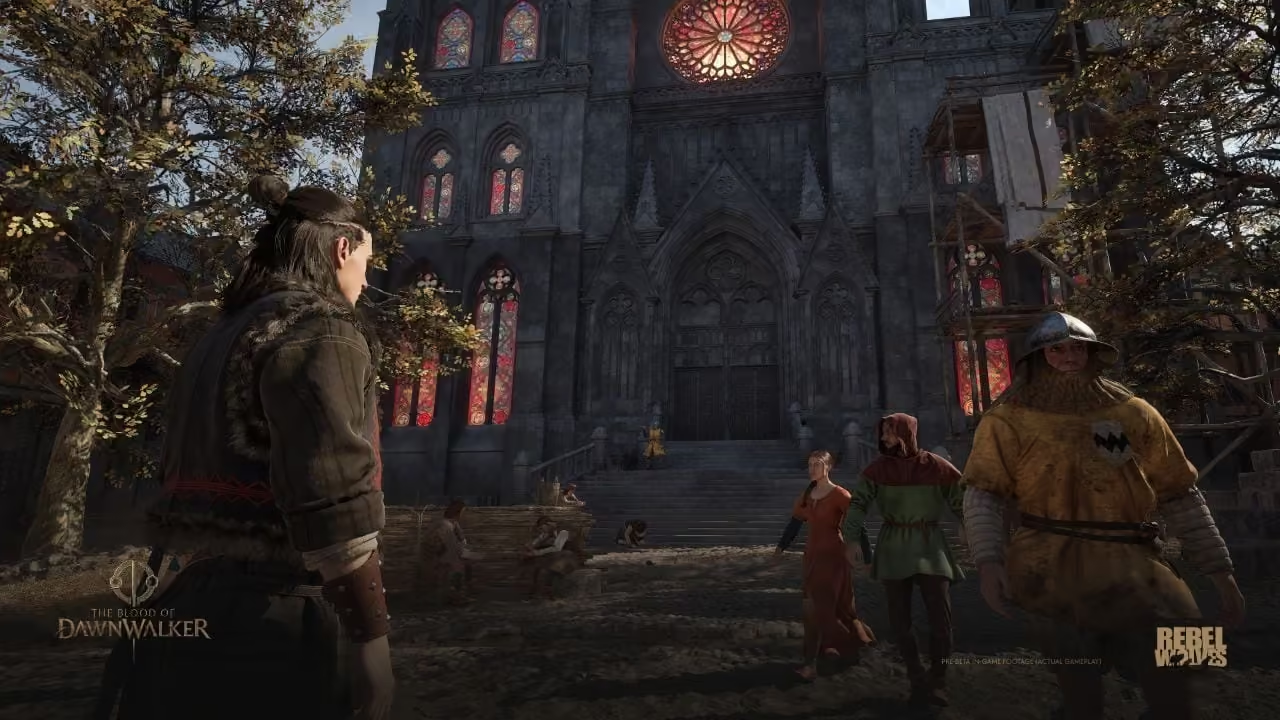
Human Coen navigates the grounded world and its ordinary entrances. That can align with daytime crowds, merchants, conversations, and routes built for a human visitor.
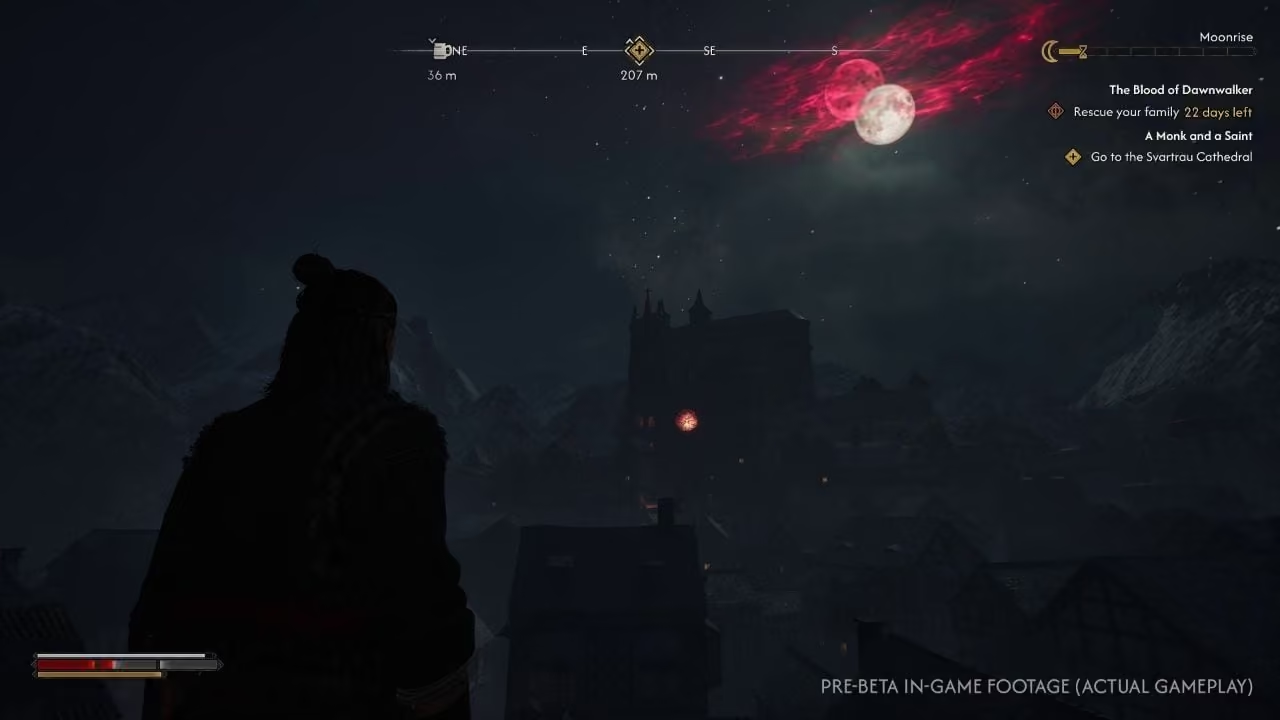
Vampire Coen can use Shadowstep, Clawride, and wall or ceiling movement to approach from above or across gaps. Official footage uses this difference to turn rooftops and high cathedral architecture into real quest routes rather than decorative scenery.
Choose by task, not by tier list
A human route may preserve a social encounter or make witchcraft available. A vampire route may bypass guards, reach a clue, or create a more violent solution. The same objective can therefore test what kind of outcome you want, not merely which damage number is larger.
Until the patched retail build is measured, claims that one full build is objectively best are premature. Use abilities whose rules are documented, then adapt to the encounter and the cost of moving to the other form.
| Task | Human advantage | Vampire advantage |
|---|---|---|
| Public interaction | Human presence and daytime activity | Night may reduce crowds but raise suspicion or feeding risk |
| Tactical sword fight | Swordmastery, direction, witchcraft | Mobility, claws, rapid repositioning |
| High or hidden route | Grounded investigation | Walls, ceilings, rooftops, Shadowstep |
| Sustain | Human healing resources | Blood from animals, humans, or monsters |
| Role-playing tone | Resist or discipline the curse | Embrace power and its consequences |
Plan for form-specific constraints
Preview material describes different healing logic and equipment relevance across forms. Keep both sides functional enough to survive required transitions, even if your progression priorities lean heavily toward one identity.
The shared progression path exists alongside human and vampire paths. That supports a flexible baseline without pretending the launch meta is already solved.
- Keep a dependable sword option even on a night-focused route.
- Learn how thirst and feeding alter nighttime risk.
- Do not assume daytime magic will remain available after transformation.
- Use shared perks when they solve a weakness across both loops.
Common questions
Can you choose to stay human all the time?
The core structure changes Coen with day and night. You can emphasize human progression, but the game is designed around both forms.
Can vampire Coen still use a sword?
Official and preview material shows that he can still use a sword, while claws and vampiric abilities add another combat route.
Which form is best for exploration?
Vampire form has stronger vertical movement, but human form can access daytime interactions and grounded clues. The task determines the better form.